Telstra Health
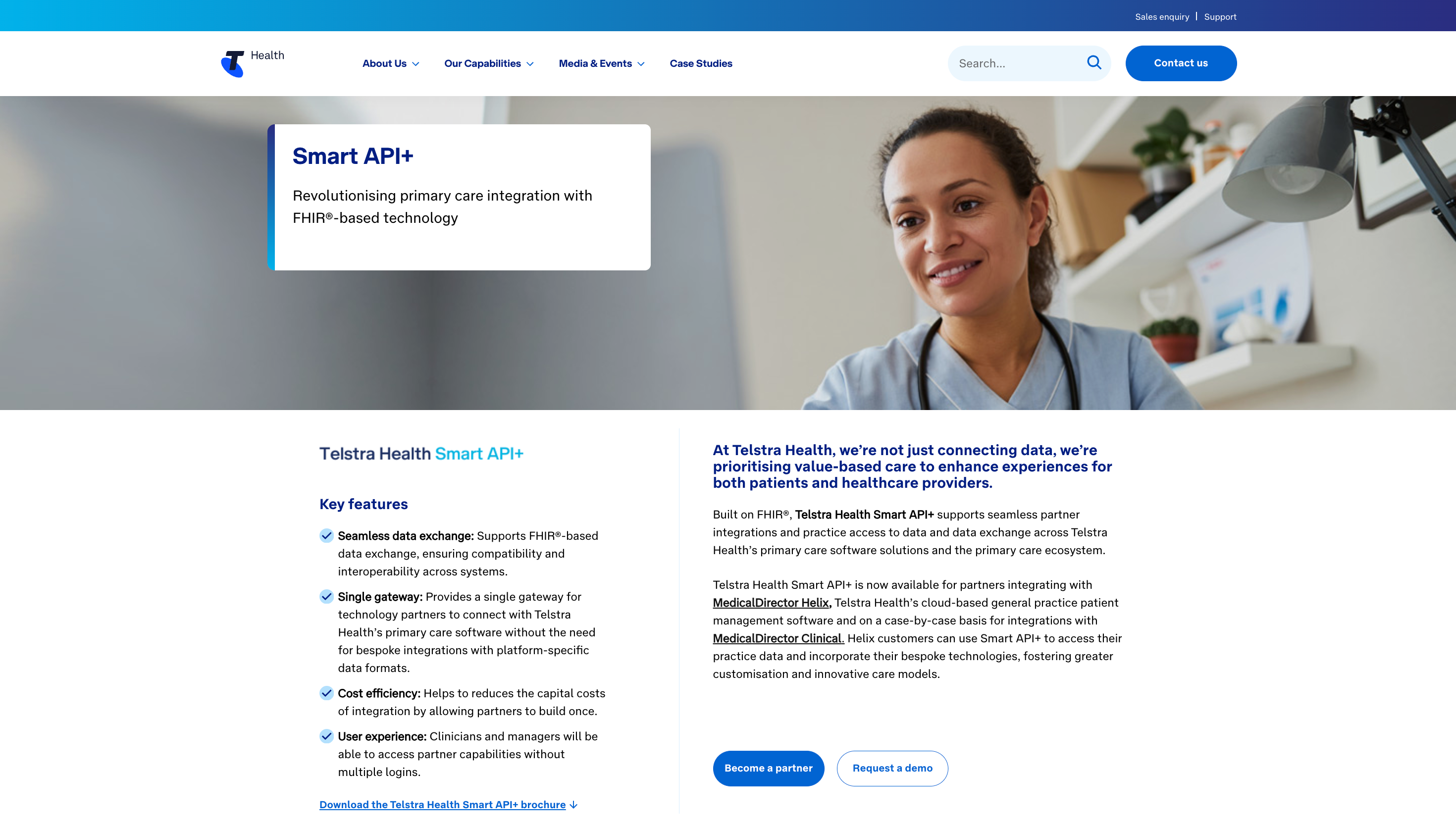
18 acquired companies with zero shared experience.
Built the discovery, strategy, and design system to unify them into a single API platform, at 34% of the approved budget.
Role: Innovation Manager → UX Lead
$550k
delivered vs $1.6m budget, 66% under
18
companies integrated
$230m
acquisition portfolio
400+
engineers across ecosystem
75+
APIs shipped in MVP
What is an API Platform?
Project goal: Build an internal API Platform for Telstra Health and its 18 entities, creating a single source of truth for 400+ engineers and supporting a $1b ARR target by 2020. Delivered at $550k against a $1.6m budget.
A digital platform that gives engineering teams gated public, partner, and internal access to all of Telstra Health's application data across the enterprise. APIs let you piggyback on another application's features and data; you don't need to rebuild Google Maps when you can use their API.
What makes it unique? An open-source, digital single source of truth for engineers, reducing overlap, encouraging new product innovation, and fast-tracking current and future flagship projects. Recreating how teams strategise, design, build, deploy, and operate technology projects.
Telstra spent $230m acquiring 18 companies, operating 40+ digital health projects with no interoperability strategy. Different teams had overlapping technology demands with no way to share or reuse what they'd built. I identified the problem, approached the Executive Board requesting funding, built the team, and led the project through production and delivery.
Role & responsibilities
~6 months
Concept to prototype
$550k
spent vs $1.6m budget
Research & Design
Ecosystem mapping
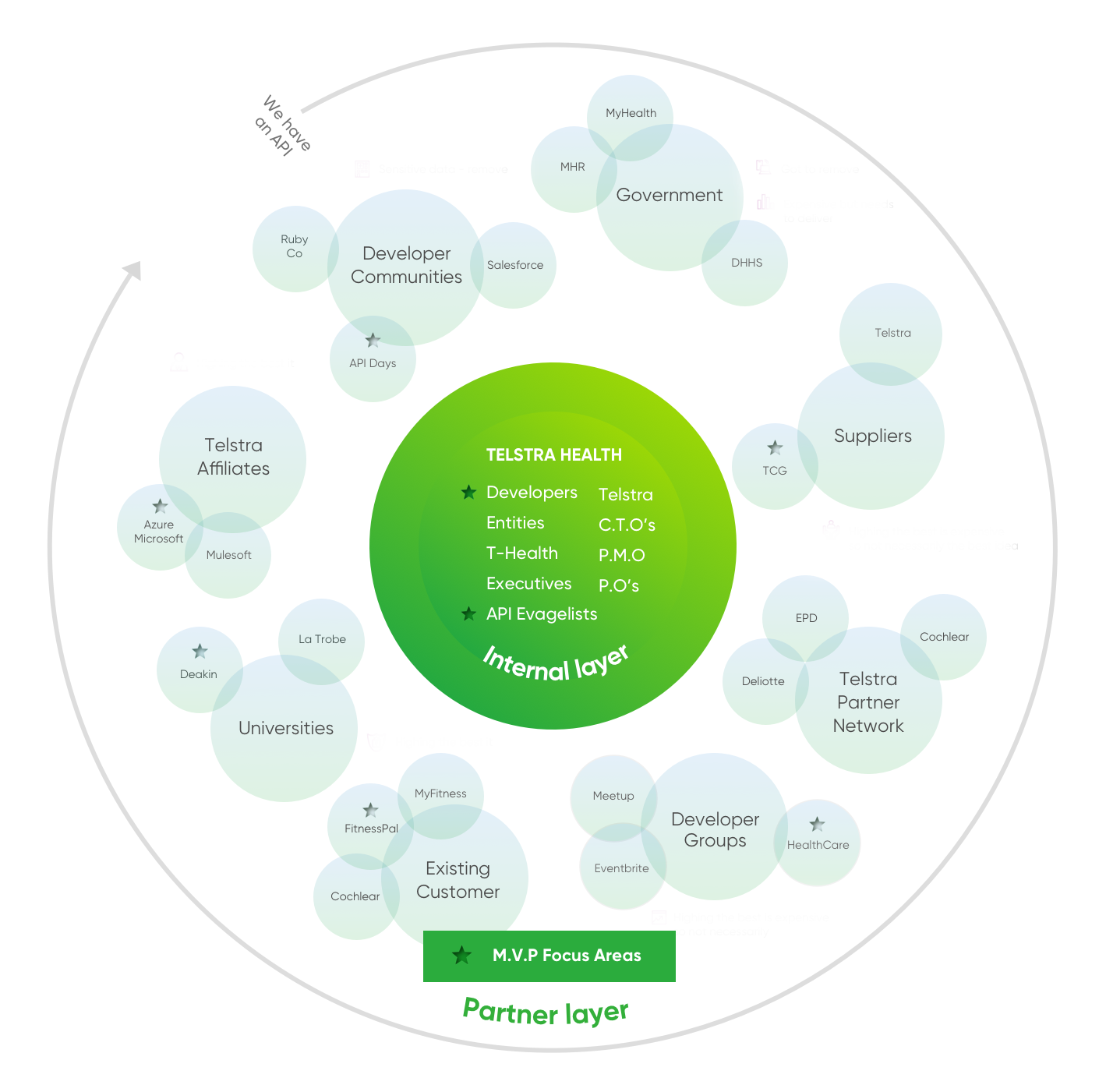
After the problem had been identified and validated internally, I needed to map the environment the solution would impact. The platform was built on research across every Telstra project and potential customer: customer interviews, contextual interviews, secondary research, stakeholder mapping, ecosystem mapping, content audits, IA, sitemaps, API status audits, and working prototypes.
Developers existed at every layer of the ecosystem. Understanding their needs, not just the business's, was essential to designing something they'd actually adopt.
Discovery: Survey design
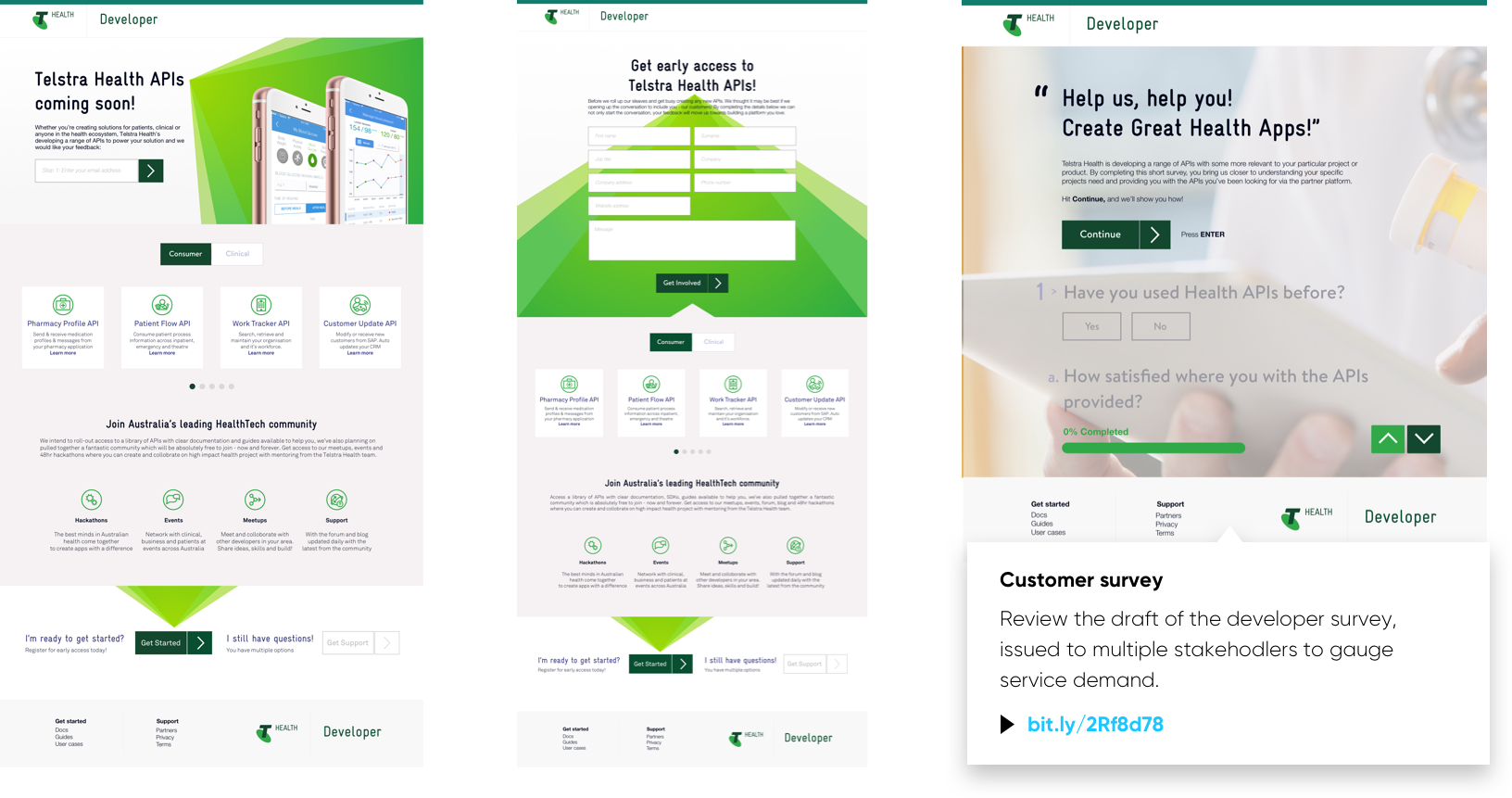
With developers as our primary users, we needed to know which functions and capabilities they required, and why access to that technology mattered. Budget constraints meant we could only build for high-demand business cases.
I contacted multiple partners, universities, and developer groups across Melbourne, conducting in-depth interviews and surveys to gauge demand and identify the 12 key portfolio areas we'd prioritise for the MVP.
Developer survey: API demand by category
% of votes from 400+ engineers
Inventory audit
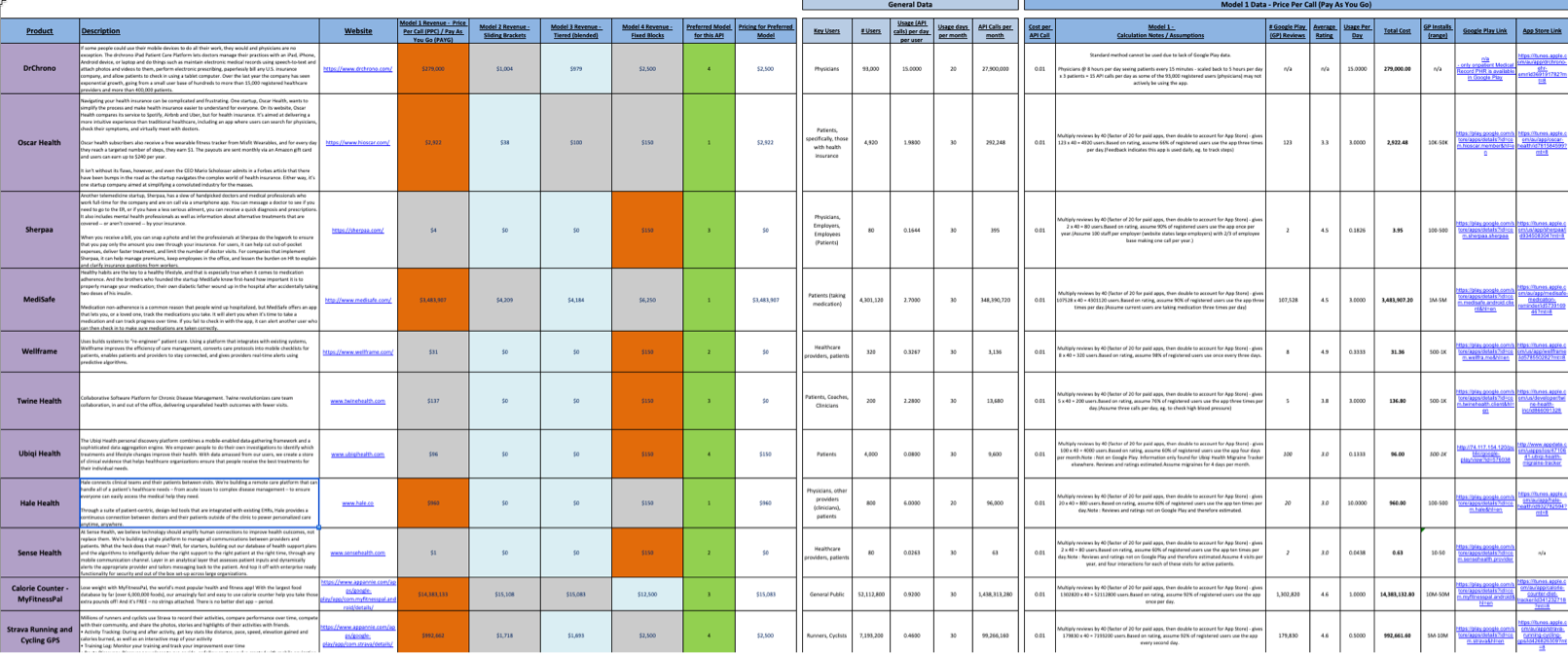
Survey results, along with effort/impact/confidence prioritisation, dictated our focus. Based on 12 key portfolio areas, we conducted a thorough analysis of the current state of APIs company-wide and established an accompanying financial model to justify what we built first.
API inventory audit: key findings
63%
SOAP/XML
Built-for-purpose: rebuild or discard
30%
REST/JSON
Easily accessible: commissioned for platform
90%
OAUTH required
Leveraged for Identity & Authorization project
12 key portfolio areas audited
Key insights from the audit
63% of APIs were SOAP/XML. Built-for-purpose format requiring a rebuild or discard. Standardising would come at significant cost; a business case was required for each.
30% were already REST/JSON. Accessible format, ready to be placed inside the platform where relevant business cases existed to justify onboarding costs.
90% required OAuth. REST-based APIs fed into a critical parallel project: Identity and Authorisation, which strengthened our overall business case and unlocked additional resourcing.
Architecture: Tree testing
With categories and requirements in user story format, I undertook open card sorting activities creating taxonomies, then closed card sorts and tree tests with survey participants to gain granularity around the sitemap structure for the MVP platform.
Control
~1:33 minsSitemap v7
~32 secsWinner!
MVP sitemap
MVP platform sitemap
Utility Navigation
Footer Navigation
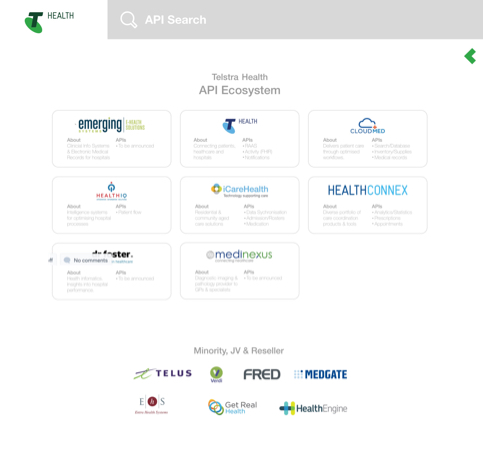
Lo-fi prototype: API Ecosystem
Prototypes were produced, tested with end-users and stakeholders, and signed off with our partners and executive team. We engaged over 40 engineers within our ecosystem who helped shape the solution, co-design, not just validation.
We then contacted partners, universities, and developer groups across Melbourne and Sydney, inviting them to participate directly in shaping the platform.
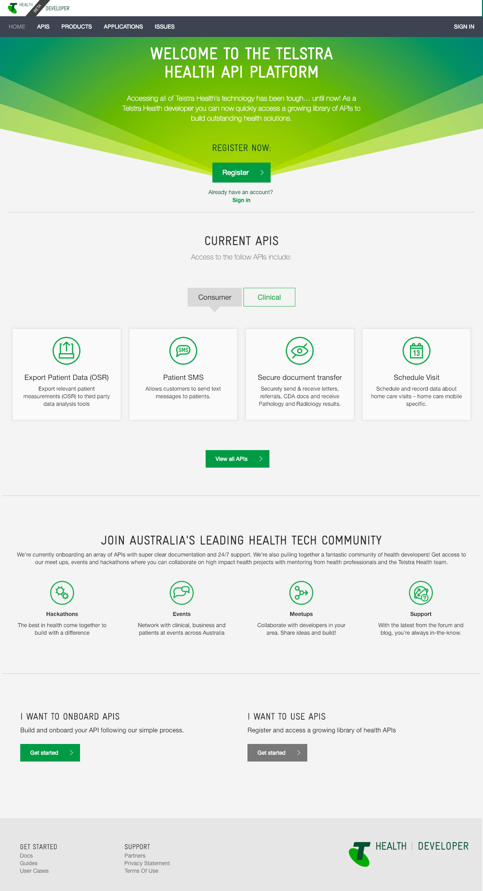
UI Design: Production API Platform
Using Sketch for UI and Marvel for prototyping, I went with an on-brand and inviting visual design, re-skinning Microsoft Azure with direct assistance from the Microsoft team. As customisation was only beginning to be possible for Azure, the Microsoft team helped shape our production-level requirements, which aligned with their own roadmap.
What we learned building Telstra's first API platform.
What was hard
Multi-department approval for the public API layer. Getting sign-off required projects to be in production with established case studies and adherence to API best practice, across a multitude of Telstra departments. This took substantially longer than anticipated.
IP and data security concerns divided opinion. The initial prototype surfaced real anxieties around IP ownership and data exposure. These concerns should have been addressed earlier in the process, before the prototype was in people's hands.
We assumed REST would dominate. 63% of APIs were in SOAP/XML, a built-for-purpose format requiring rebuild or discard. This complicated governance and required individual business cases for every API onboarded into the platform.
What worked
Hackathons turned detractors into advocates. Running hackathons and inviting partners, developers, and those considered detractors reframed how people thought about the platform's value, and created internal champions who hadn't existed before.
The content audit sparked a company-wide conversation. Entities began reviewing and formalising their own APIs based on our standards and guidelines, a cultural shift that extended well beyond the immediate project scope.
Building from the ground up was the right call. Avoiding duplication of the existing Telstra API platform required considerably more requirements gathering, but produced a cleaner, more focused platform that was genuinely adopted.
75+ APIs shipped. Delivered at 34% of the approved budget.
Telstra moved the API platform into production (internal), with 75+ APIs as part of the MVP and more being added and managed by internal DevOps. The platform remains in use at Telstra Health.
Final delivery
75+
APIs shipped in MVP
$550k
spend vs $1.6m budget
18
companies integrated
400+
engineers across ecosystem
This is the methodology I bring to your business. The ability to move at enterprise speed, without the enterprise structure or politics.
Rarely do you meet an individual with the vision, strategy and drive to transform a business. Anton is just such an individual. I worked with him at a large Health systems provider and watched him identify a unique value proposition for our market which became the critical innovation need within our business.

Troy Bebee
CTO, Google Cloud
Seen enough to have a conversation?
Get an experienced UX voice at your leadership table, without the full-time hire.